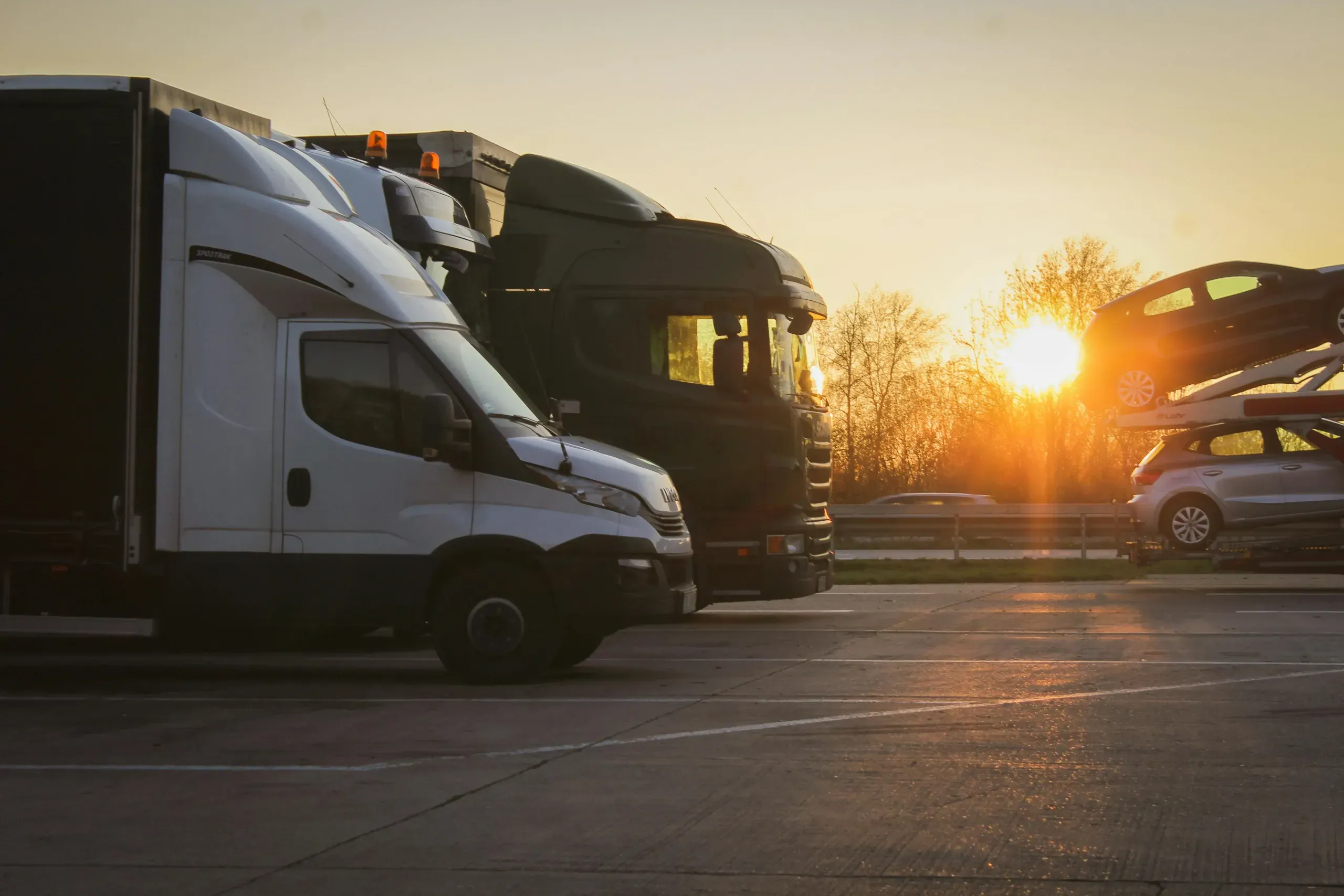
Ship Car from Washington to Indiana
Shipping your vehicle from Washington to Indiana covers approximately 2,155 miles, a cross-country journey that typically takes carriers 5 to 7 days to complete. This route primarily follows the I-90 corridor, moving your car from the Pacific Northwest through the Northern Plains and into the heart of the Midwest. Because this is a major long-haul lane, understanding the logistics is key to a successful move. We will walk you through current transport costs, transit expectations, the step-by-step booking process, and how to verify carrier insurance. You will also find tips on vehicle preparation, common shipping scenarios, and answers to frequently asked questions.
- No-obligation quote within 2 minutes
- Price all-inclusive
- No charge until driver confirmed
- Distance
- 2,155 mi
- Transit time
- 5–7 days
- Open carrier from
- $1,200
How much does it cost to ship a car from Washington to Indiana?
Shipping a car from Washington to Indiana typically costs between $1,200 and $1,600 for open transport, while enclosed shipping usually ranges from $1,950 to $2,600, with carriers covering the 2,155-mile distance in approximately 5 to 7 days. As a referral service, Ship Car Pros connects you with independent carriers who handle the physical transport, ensuring your vehicle is matched with a driver already running the I-90 corridor. While these ranges reflect current market averages, your final price depends on several shifting variables. There are six primary factors that determine where your specific quote lands, including the size of your vehicle, the time of year you book, and how much flexibility you have with your pickup dates. We will break down these cost drivers and the differences between trailer types in the sections below.
What factors affect car shipping cost?
While distance is the primary driver of your quote, several logistical variables determine the final price for the 2,155-mile haul from Washington to Indiana. Carriers look at how much space your vehicle occupies and how easily they can integrate your stop into their existing route.
The following six factors most significantly impact your transport cost:
- Vehicle Dimensions and Weight: Larger vehicles like full-size SUVs or heavy trucks take up more trailer space and increase fuel consumption.
- Transport Type: Open trailers are the standard, affordable choice, while enclosed transport costs roughly 1.6x to 1.8x more for added protection.
- Pickup and Delivery Flexibility: Providing a wider 4-to-7-day window allows Ship Car Pros to find carriers with better rates than urgent, expedited requests.
- Seasonal Demand: Prices often rise during the summer moving peak or the winter "snowbird" season when carrier capacity is stretched thin.
- Route Accessibility: Pickups in major hubs like Seattle or Spokane are generally cheaper than locations requiring a driver to detour into rural Washington.
- Vehicle Operability: Cars that cannot be driven onto the trailer require a winch and specialized equipment, which adds to the labor cost.
Open vs. enclosed car transport: which should you choose?
For the 2,155-mile trek from Washington to Indiana, you have two trailer options. Open transport is the industry standard and the most cost-effective choice, typically priced around $1,336 for this route. Your vehicle rides on a tiered trailer, similar to those used to deliver new cars to dealerships. It is exposed to the elements and road dust, but it remains the go-to for daily drivers like SUVs, sedans, and trucks.
Enclosed transport typically costs around $2,176 for this corridor. This premium is worth the investment if you are shipping a classic car, a luxury model, or a vehicle with very low ground clearance. Because the trailer is fully sealed, your car is shielded from rain, snow, and road debris across the long journey through the plains. While 85% of our customers choose open shipping, we recommend enclosed transport for any vehicle valued over $75,000 to ensure it arrives in showroom condition.
- Open carrier
- $1,200–$1,600
- Standard 7–10 car hauler.
- Enclosed carrier
- $1,950–$2,600
- Sealed trailer for high-value vehicles.
How long does it take to ship a car from Washington to Indiana?
Shipping a vehicle from Washington to Indiana typically takes 5 to 7 days to cover the 2,155-mile journey. Most solo drivers can travel roughly 400 to 500 miles per day once they have finished loading other vehicles, factored in fuel stops, and accounted for mandatory rest periods. While the drive itself is long, the total time also accounts for the carrier navigated through various weather patterns across the Northern Plains. Your specific timeline can shift based on whether you are shipping from a major hub like Seattle or a more remote area. We will explain how pickup windows work, how to track your vehicle's progress, and what to expect during the delivery and inspection process in the following sections.
Which routes do carriers usually take?
Most carriers hauling from Washington to Indiana rely on the I-90 E corridor, a vital 2,100-mile northern artery. The journey begins with a climb over Snoqualmie Pass, which requires careful timing during winter months due to chain laws and avalanche mitigation. Once through the Cascades, drivers typically look for load density in Spokane before crossing the Northern Plains.
As the route transitions from the high elevations of the West into the flatter Midwest, carriers often bypass the heavy congestion of the Chicago metro area by utilizing the I-80/I-90 Indiana Toll Road. This path provides a direct link into northern Indiana hubs like South Bend or Gary, while those heading to Indianapolis will eventually split south. Because these are high-volume freight lanes, you can expect consistent availability, though winter lake-effect snow in northern Indiana can occasionally cause short-term transit pauses.
What can delay your shipment?
While the 2,155-mile trek from Washington to Indiana is a well-traveled lane, several variables can shift your delivery date. The most significant factor on the I-90 corridor is the weather at Snoqualmie Pass. Between November and April, Washington’s strict chain laws and mandatory avalanche control can pause all eastbound traffic for several hours or even days. Once the carrier reaches the Midwest, lake-effect snow squalls near the Indiana Toll Road often trigger high-profile vehicle bans, forcing drivers to wait for safer conditions.
Logistical gaps also play a role. If you book on a Friday, your vehicle likely won't move until Monday or Tuesday, as carrier activity dips over the weekend. Additionally, if you are shipping a vehicle from a Copart or IAA auction, missing gate pins or lot numbers will prevent the driver from entering the facility, causing immediate delays. Giving Ship Car Pros a wider pickup window helps us navigate these seasonal and administrative hurdles more effectively.
Popular Routes
Major city-to-city routes on the Washington → Indiana corridor.
| From | To | Approx. distance | Transit |
|---|---|---|---|
| Seattle, WA | Indianapolis, IN | ~1,870 mi | 5-7 days |
| Spokane, WA | Fort Wayne, IN | ~1,640 mi | 5-7 days |
| Kennewick, WA | South Bend, IN | ~1,650 mi | 5-7 days |
| Bremerton, WA | Evansville, IN | ~1,880 mi | 5-7 days |
| Tacoma, WA | Lafayette, IN | ~1,820 mi | 5-7 days |
| Olympia, WA | Elkhart, IN | ~1,840 mi | 5-7 days |
| Vancouver, WA | Bloomington, IN | ~1,880 mi | 5-7 days |
| Marysville, WA | Notre Dame, IN | ~1,790 mi | 5-7 days |
| Bellevue, WA | Carmel, IN | ~1,850 mi | 5-7 days |
| Kent, WA | Fishers, IN | ~1,860 mi | 5-7 days |
How does shipping a car from Washington to Indiana work?
Shipping a car from Washington to Indiana is a three-stage process: getting an all-inclusive quote, coordinating the vehicle pickup, and completing the final delivery inspection. Because this is a 2,155-mile haul, the logistics require careful coordination between the carrier's schedule and your availability. Ship Car Pros acts as your referral service, matching your route with a vetted driver and handling the paperwork. Once you accept a quote, the carrier manages the heavy lifting, keeping you informed as the vehicle moves through the Northern Plains toward the Midwest.
What happens between booking and pickup?
Once you accept your quote, we move quickly to bridge the gap between your request and the actual loading of your vehicle. As a referral service, Ship Car Pros handles the logistics of finding a driver who is already scheduled to run the I-90 corridor.
Here is exactly what happens before your car leaves the driveway:
- Carrier Matching: Your shipment is posted to the national load board where vetted carriers view the route and vehicle details.
- Dispatch Confirmation: A carrier claims the load, and we verify their insurance and safety ratings before officially dispatching them to your location.
- Driver Assignment: You receive a notification with the carrier’s name, the driver’s name, and a direct phone number for easy communication.
- Window Scheduling: The driver calls you to coordinate a specific pickup window, usually within a one-to-three-day range of your requested date.
- On-Site Inspection: When the driver arrives, you will perform a joint walk-around to document the vehicle’s condition on the Bill of Lading before it is loaded.
What is a bill of lading (BOL)?
The Bill of Lading (BOL) is the most important document in the shipping process, serving as both your formal contract and a detailed condition report. When the driver arrives in Washington, they will perform a thorough, 21-point inspection of your vehicle’s interior and exterior. Any existing scratches or dents are noted, and photos are taken for documentation. You will sign this at pickup to confirm the starting condition.
At the delivery point in Indiana, you must perform the same inspection alongside the driver. It is vital to check the vehicle carefully in good light before signing the final copy. This second signature confirms you received the car in the same state it left Washington. If you notice new damage, it must be documented on the BOL immediately to initiate an insurance claim through the carrier.
After delivery: registration and inspection in Indiana
Once your vehicle arrives in the Hoosier State, you have 60 days to complete your Indiana title and registration. You will need to visit an Indiana BMV branch in person to establish residency and present several key documents, including your original out-of-state title, proof of Indiana auto insurance, and two documents verifying your new address.
Indiana requires a mandatory physical VIN inspection for all vehicles being titled in the state for the first time. This can be completed for free at any BMV branch using State Form 39530. While there is no statewide safety inspection, residents moving to Lake or Porter County must also pass an emissions test. Expect to pay a $15 title fee and a base registration fee of $21.35, plus a variable excise tax based on your vehicle's value. Avoid waiting too long; missing the 60-day window results in a $30 administrative late fee. For detailed forms and branch locations, visit the Indiana BMV website.
Before you cancel your old policy, ensure your Indiana coverage is active. Washington does not require you to return standard plates, but you should file a Vehicle Report of Sale or update your address online with the Washington DOL to stop future renewal notices.
How do you verify a car transport company is legitimate?
Verifying a transport provider is the most important step you can take to protect your vehicle and your wallet. Every legitimate company must be registered with the Federal Motor Carrier Safety Administration (FMCSA). Ask for their Motor Carrier (MC) and Department of Transportation (DOT) numbers. You can plug these into the FMCSA’s Licensing & Insurance database to confirm they have active operating authority and the required cargo insurance. If a company hesitates to provide these numbers or their record shows "inactive," walk away immediately.
Transparency in the payment process is another major indicator of legitimacy. A reputable referral service or broker will not charge your credit card until a specific carrier has been assigned to your route. If a company demands a large upfront deposit before they even have a driver's name, treat it as a red flag. Always insist on a written agreement that outlines the all-inclusive price, including fuel, tolls, and insurance.
Finally, look beyond the company’s own website for reviews. Check third-party platforms like the Better Business Bureau (BBB) and Transport Reviews to see how they handle delays or claims. While Ship Car Pros is a referral service that connects you with vetted carriers, we always encourage customers to verify the specific driver assigned to their 2,155-mile journey. A legitimate provider will never pressure you into a "today only" deal or ask for payment via untraceable methods like wire transfers before the job begins.
How do I prepare my car for shipping?
Preparing your vehicle for a 2,155-mile journey ensures a smoother handoff and protects you during the inspection process. While the carrier handles the heavy lifting, taking these specific steps helps the driver and secures your investment.
Follow this checklist before the carrier arrives:
- Wash the exterior: A clean car is essential for an accurate Bill of Lading inspection, as dirt can hide small scratches or dents.
- Document the condition: Take high-resolution, dated photos of the vehicle from every angle, including the wheels and roof.
- Remove personal belongings: Clear out all items except for a spare tire and jack; also remove toll tags and parking permits to prevent theft or accidental charges.
- Maintain a quarter-tank of fuel: This provides enough gas for loading and unloading while keeping the vehicle’s weight down for the carrier.
- Disable alarms and provide keys: Ensure the driver has a full set of keys and understands how to turn off any anti-theft systems.
- Note mechanical quirks: Inform the driver of any fluid leaks, touchy brakes, or starting procedures so they can load the vehicle safely.
Once these steps are finished, your vehicle is ready for the long trek across the I-90 corridor to Indiana.
Specialty shipments from Washington to Indiana
Not every shipment involves a standard daily driver. Whether you are managing the logistics of an online purchase, moving several family vehicles at once, or handling a project car that doesn't start, specific requirements apply to the Washington-to-Indiana route. Different scenarios require specialized equipment or additional documentation to ensure a smooth transition across the 2,155-mile journey. We have broken down the most common specialty cases below, including auction pickups, inoperable vehicle transport, and multi-car discounts.
How do you ship a car bought at Copart or IAA auction?
Buying a vehicle from a Copart or IAA auction adds a layer of paperwork to the transport process. Before a driver can enter the facility, you must provide three specific pieces of information: the lot number, the buyer number, and the gate pin. Without these, the auction yard will turn the carrier away, often resulting in a dry-run fee. You must also ensure the vehicle is fully paid for and "cleared for pickup" in the auction’s system.
Because auction yards are high-volume environments, pickups typically take one to three days longer than a standard residential handoff. Drivers must schedule an appointment and often wait in long lines for a yard technician to bring the vehicle out. If you are shipping an inoperable auction win, let Ship Car Pros know immediately so we can match you with a carrier equipped with a winch. Proactive communication prevents storage fees from piling up at the auction lot.
How do you ship an inoperable car?
Shipping a vehicle that doesn't start requires specialized equipment and extra labor. To move an inoperable car, we match you with a carrier equipped with a heavy-duty winch to pull the vehicle onto the trailer. Because this process takes more time and limits which trucks can take the job, it adds a surcharge to the standard rate. It is critical that your vehicle still rolls, steers, and brakes; if the wheels are locked or the steering column is seized, a standard transport carrier won't be able to load it. Always disclose the vehicle’s exact condition upfront so Ship Car Pros can ensure your driver arrives with the right gear.
How do you ship multiple cars at once?
If you are relocating a family with two or more vehicles or managing a multi-car purchase, shipping them on the same trailer is the most efficient move. When you bundle vehicles, the per-unit rate typically drops because the carrier saves on fuel and administrative time by handling one pickup and one delivery. Ship Car Pros works to match these larger loads with multi-car transporters, ensuring your fleet stays together across the 2,155-mile route.
Keep in mind that while the per-car price is lower, finding a carrier with multiple open spots heading to the same Indiana destination can sometimes take a few extra days. If you have a mix of standard sedans and oversized SUVs, the carrier may need to arrange them specifically for weight distribution. Providing a clear list of years, makes, and models allows us to secure a single driver for the entire job, simplifying your logistics.
Is it cheaper to ship a car or drive it from Washington to Indiana?
Deciding whether to drive 2,155 miles or book a carrier comes down to how you value your time and the wear on your vehicle. If you choose to ship your car, the typical cost for open transport on this route is $1,336. This is an all-inclusive figure that covers fuel, insurance, and the driver’s time, allowing your vehicle to arrive in Indiana without a single mile added to the odometer.
If you choose to drive the distance yourself, the financial commitment is often higher than people expect. Using the 2024 AAA "Your Driving Costs" average of $0.70 per mile to account for fuel, maintenance, and depreciation, the driving cost for this trip is approximately $1,509. Because the non-stop drive time is 1 day and 8 hours, a solo driver will realistically need at least three overnight stays. At an average of $120 per night, lodging adds another $360, bringing the total estimated driving cost to $1,869.
Beyond the raw math, consider the opportunity cost. A cross-country trip across the I-90 corridor requires nearly a week of your time when accounting for rest and meals. You also face the physical fatigue of multi-day driving and the logistical hurdle of booking hotels. Ship Car Pros connects you with carriers who handle the entire 5-to-7-day transit, leaving you free to fly to your destination in a few hours.
| Ship it | Drive it | |
|---|---|---|
| Total cost | $1,200–$1,600 all-in | ~$1,988 (fuel + lodging + meals) |
| Your time | 0 hours | ~36 hrs driving + overnight |
| Wear & tear | None | 2,155 mi added; ~$0.10/mi depreciation |
| Risk | Insured in transit | Personal liability + fatigue |
For most Washington → Indiana shipments, ship is the better value once time and depreciation are counted.
Frequently asked questions
How much does it cost to ship a car from Washington to Indiana?
Shipping a car from Washington to Indiana typically costs between $1,200 and $1,600 for open transport and $1,950 to $2,600 for enclosed shipping. These ranges reflect the 2,155-mile journey and include all fuel, tolls, and insurance. Your final price depends on specific variables like your vehicle's size, its operability, and whether you are shipping from a major hub like Seattle or a more remote area.
How many days does it take to transport a vehicle from Washington to Indiana?
Transporting a vehicle from Washington to Indiana usually takes 5 to 7 days once the car is loaded onto the trailer. This timeline accounts for the long-haul drive across the Northern Plains and federal regulations that limit solo drivers to roughly 400 miles per day. Factors like winter weather at Snoqualmie Pass or heavy traffic near the Indiana Toll Road can occasionally extend this transit window.
Is open or enclosed transport better for the 2,150-mile drive from Washington?
Open transport is the best choice for most daily drivers, while enclosed transport is recommended for vehicles valued over $75,000. Open shipping is the industry standard and typically costs around $1,336 for this route. If you are moving a classic, luxury, or exotic car, the $2,176 typical cost for enclosed shipping provides a sealed environment that protects your investment from road debris and harsh weather.
When do I have to pay the deposit and the remaining balance for my shipment?
You typically pay a partial deposit once a carrier is officially assigned and dispatched to your route, with the remaining balance due at delivery. The deposit is charged to your card only after a driver is confirmed. You pay the remaining balance directly to the driver in Indiana using cash, a certified check, money order, or digital options like Zelle or Venmo.
How does carrier insurance work if my car is damaged during the cross-country trip?
Every carrier must provide cargo insurance that covers your vehicle from the moment it is loaded in Washington until it is unloaded in Indiana. This coverage is typically bumper-to-bumper with a zero-dollar deductible for the customer. To ensure a claim is successful, any new damage must be documented on the Bill of Lading at the time of delivery before you sign off.
Do I need to be present for the pickup in Washington or the delivery in Indiana?
You do not need to be personally present for pickup or delivery as long as an authorized representative is there to handle the keys. This person must be at least 18 years old and able to perform the required vehicle inspection with the driver. Whether it is a friend, family member, or neighbor, they will need to sign the Bill of Lading to verify the vehicle's condition.
Can I put personal items inside my car while it is on the transport trailer?
You can typically put up to 100 pounds of personal belongings in the trunk or below the window line during transport. However, these items are not covered by the carrier's cargo insurance, and exceeding this weight limit can violate Department of Transportation regulations. It is best to remove all valuables, electronics, and toll tags before the driver arrives at your pickup location in Washington.
What is a Bill of Lading and why is it required for my vehicle shipment?
The Bill of Lading is a mandatory legal document that serves as your shipping contract and a detailed condition report. It records every scratch, dent, or chip on your vehicle during the initial inspection in Washington and again upon arrival in Indiana. This document is your primary protection; it provides the evidence needed to file an insurance claim if the vehicle sustains any damage during the 2,155-mile trip.